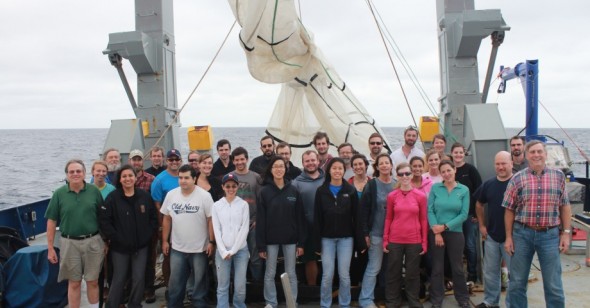
A Teacher at Sea - Carmina Ramirez (front row, 2nd left) poses for a photo with the research team aboard the R/V Mellvile on a research cruise in the Pacific Ocean during her Teacher at Sea program.
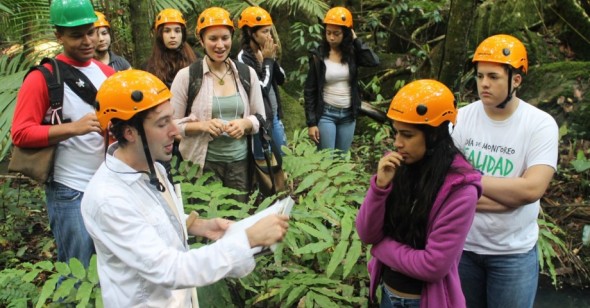
LUQ students and teachers learn data collection techniques - Students and teachers learning data collection and management techniques during the the Luquillo LTER's 7th annual internship for teachers and students.
Traveling west along the Gaviota coast on the afternoon of May 19, 2015, Santa Barbara Coastal (SBC) Long Term Ecological Research (LTER) scientists Mark Page a
Network News Summer 2015, Vol. 28 No. 2 - Network News Summer 2015, Vol. 28 No. 2Science on Tap-Minocqua; From the Chair; From the Executive Director; A Century of Forest Change; 2015 ASM Updates; LTER at ESA 2015; Arts and humanities flourishing at LTER sites; SESYNC-LTER post-docs selected; CAP LTER and McDowell Sonoran Conservancy collaborating on citizen science project; Researchers at Niwot LTER develop an alpine plant smartphone app; Antarctic documentary film features Palmer LTER; Comparing Landsat-based and LiDAR-based habitat maps; Perceived values and challenges of Arts and Humanities inquiry in the LTER Network; PIE LTER scientists observe climate induced species range extensions; Measuring ecosystem service provisioning and quantifying hotspots in Massachusetts, USA; Diversity Committee to hold first diversity and inclusion workshop at ASM; KBS LTER synthesis volume now available through Open Access; KBS hails generosity of local farmer; KBS LTER grad student works to improve soil tests for farmers; LTER Network Information System grows; A call for international LTER collaboration to advance global long-term research; Sweden creates new ecological research network.